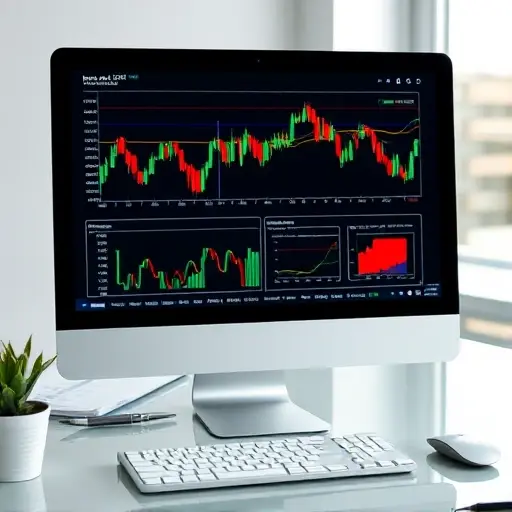
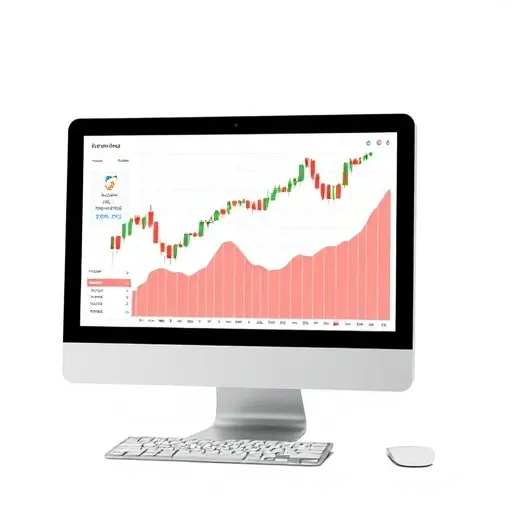
FTMO represents a modern approach to prop trading, offering traders the opportunity to demonstrate their skills through structured evaluation programs. This prop firm provides access to substantial trading capital for qualified prop traders.
Learn about the FTMO challenge, account types, and how prop trading firms operate in today's financial markets.

Prop firms provide traders with access to significant trading capital, allowing them to trade larger positions than they could with personal funds.
The FTMO challenge is a structured evaluation process where traders demonstrate their trading strategy, risk management, and consistency.
FTMO account options vary in size and requirements, accommodating different trading styles and experience levels in prop trading.
Prop traders are evaluated based on specific metrics including profit targets, maximum drawdown limits, and trading consistency.
Comprehensive risk parameters ensure that prop shop traders maintain disciplined trading practices and protect capital.
Successful prop traders can scale their trading accounts and access larger amounts of props cash as they prove their abilities.
Traders begin with the FTMO challenge, a testing phase where they trade a demo account and must meet specific profit targets while adhering to risk rules.
After passing the initial challenge, traders enter a verification period to confirm their trading consistency and risk management approach.
Successful traders receive an FTMO account with real capital, allowing them to keep a percentage of profits generated through their trading activity.
Prop traders continue trading while maintaining compliance with risk parameters, with opportunities to scale account sizes based on performance.
Many prop traders focus on intraday strategies, capitalizing on short-term price movements across various markets including forex, indices, and commodities.
Some traders prefer holding positions for several days, utilizing technical and fundamental analysis to identify medium-term opportunities.
FTMO accounts allow trading across multiple asset classes, enabling prop traders to diversify their strategies and manage prop stock and forex positions.
Strict drawdown rules protect both the trader and the prop firm, ensuring sustainable trading practices and capital preservation.
Daily loss thresholds prevent excessive risk-taking and encourage disciplined decision-making throughout each trading session.
Prop firms match traders who follow established guidelines, including position sizing requirements and prohibited trading practices.
Continuous oversight ensures traders maintain consistency and adhere to the risk parameters defined in their FTMO trading agreement.
Prop trading refers to proprietary trading where firms provide capital to traders. Prop traders use the firm's money to trade financial instruments, sharing a portion of profits while the firm assumes the financial risk.
FTMO is a prop trading firm that offers evaluation programs for traders. The FTMO challenge tests traders' abilities before granting them access to funded accounts with substantial trading capital.
The challenge consists of two phases where traders must achieve profit targets while respecting risk rules. Successful completion leads to a funded FTMO account where traders can earn from their performance.
Prop firms are companies that provide capital to skilled traders. These firms evaluate traders through challenges and offer funded accounts to those who demonstrate consistent profitability and proper risk management.
Props cash refers to the capital provided by proprietary trading firms to their traders. This funding allows traders to operate with significantly larger positions than they could with their own money.
FTMO accounts typically focus on forex, indices, commodities, and cryptocurrencies. The specific instruments available depend on the account type and the trader's preferences within the platform's offerings.
Prop shop traders earn a percentage of the profits they generate while trading the firm's capital. The profit split varies by firm and account type, with traders typically keeping 70-90% of their earnings.
Access to trading platforms requires completing registration and any evaluation phases. Traders receive credentials after enrollment in challenge programs or upon receiving funded account status.
This website is provided for informational purposes only. It is an independent resource and is not an official website. No affiliation or endorsement is implied. All trademarks belong to their respective owners.